
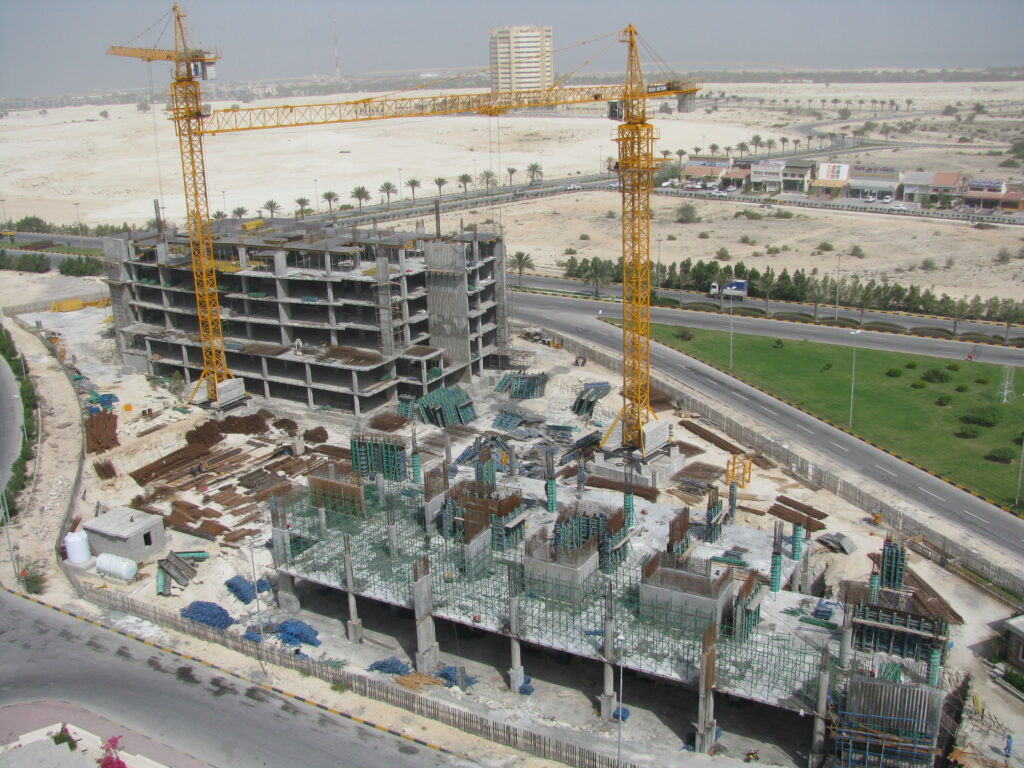
Post-tensioned (PT) concrete systems represent a highly efficient and performance-driven structural solution for modern buildings. By actively introducing compressive forces into the concrete, PT systems optimize material behavior, enhance serviceability, and reduce overall structural demand. When incorporated early in the design phase, post-tensioning enables meaningful improvements in cost control, construction speed, and long-term building performance. The system supports architectural flexibility while simultaneously reducing structural mass, improving constructability, and enhancing lifecycle value. As a result, PT buildings consistently deliver a balanced combination of economic efficiency, technical performance, and design adaptability.
Structural Efficiency
Post-tensioned slabs achieve longer spans with reduced thickness compared to conventional reinforced concrete systems. This reduction in slab depth decreases overall concrete volume and reinforcing steel requirements, resulting in a lighter structural frame and more economical foundation systems. Lower floor-to-floor heights further optimize the building envelope and maximize usable space within height restrictions. Collectively, these efficiencies translate into measurable material savings and improved structural economy without compromising performance.
Construction Speed & Schedule Optimization
PT systems streamline construction by reducing the quantity of conventional reinforcement and simplifying slab installation. Tendons are stressed shortly after placement, allowing earlier formwork stripping and faster shoring rotation. These efficiencies shorten floor cycles and reduce site labor, equipment rental, and carrying costs. Accelerated construction timelines enable earlier project completion and occupancy, directly improving overall project delivery efficiency.
Structural Performance & Serviceability
The precompression introduced by post-tensioning reduces tensile stresses in the slab, significantly limiting cracking under service conditions. Improved crack control enhances durability, reduces long-term maintenance demands, and supports exposed concrete finishes where desired. In seismic regions, the reduced structural mass lowers lateral forces, contributing to more efficient lateral-force-resisting systems and foundations. The result is a high-performance structural system with improved long-term reliability.
Design Flexibility
Post-tensioned systems enable greater architectural freedom by reducing the need for closely spaced columns and deep beams. Longer spans support open floor plans and adaptable layouts suitable for changing occupancy requirements. The system accommodates complex geometries, long cantilevers, and efficient transfer conditions while maintaining structural economy. This inherent flexibility enhances both initial design opportunities and future adaptability of the building.
Lifecycle Value & Operational Efficiency
Beyond construction, PT buildings contribute to improved lifecycle performance. Reduced material quantities and optimized structural depth improve overall resource efficiency. Lower building heights can reduce cladding and envelope demands, while durable, crack-controlled slabs minimize maintenance over time. The inherent fire resistance of concrete systems further supports long-term operational reliability. Together, these attributes provide sustained value throughout the life of the building.
